Aluminum Extrusion Profiles
B2B Supplier from Turkey
L, U, T, C-profile & custom aluminum extrusions in alloys 6060–7075. EN 755 certified. MOQ 1 ton. B2B supplier from Turkey — quote in 24 h.
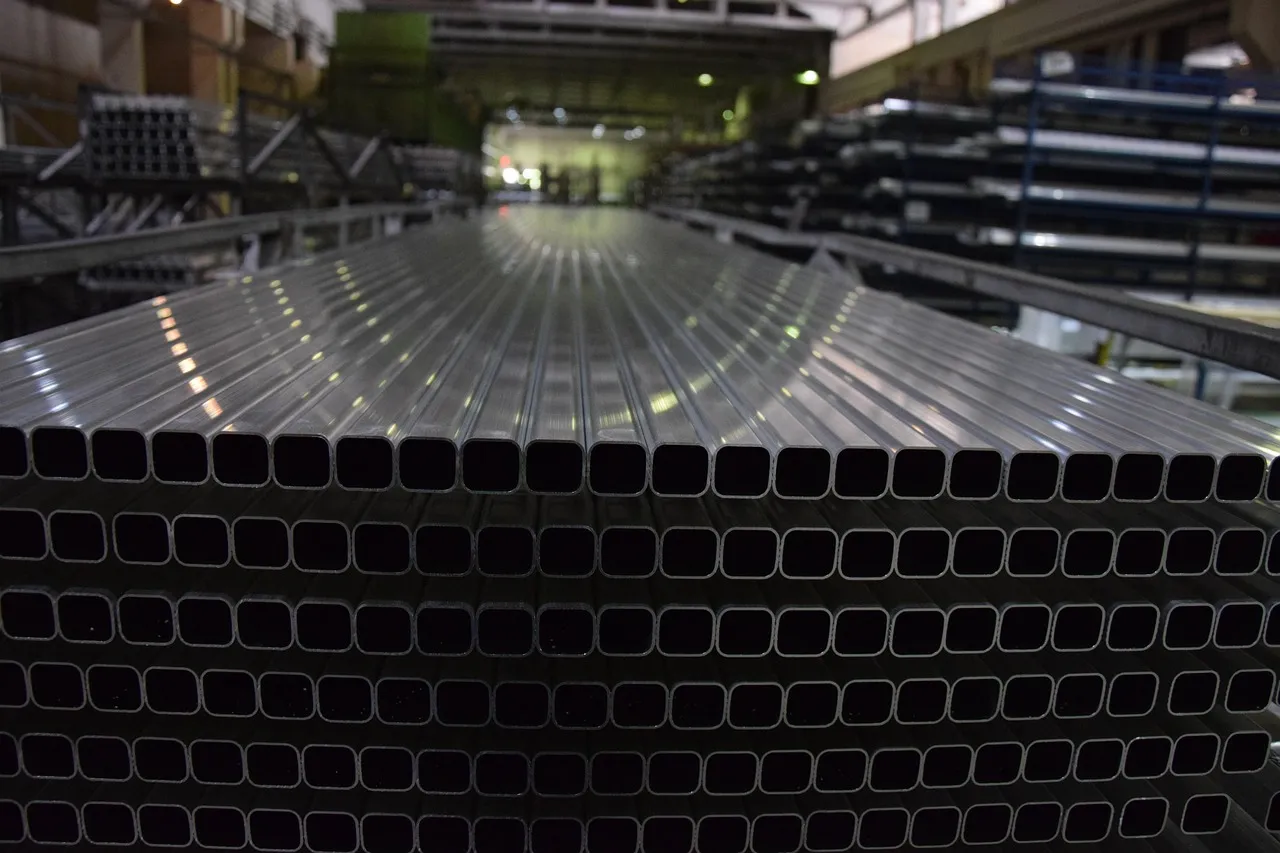
Our Aluminum Extrusion Profile Range
MetalFromTurkey supplies seven primary profile families. Dimensional tolerances are specified per EN 755-9 for general profiles and EN 12020-2 for precision 6060/6063 profiles, on modern extrusion presses with circle sizes up to 350 mm.
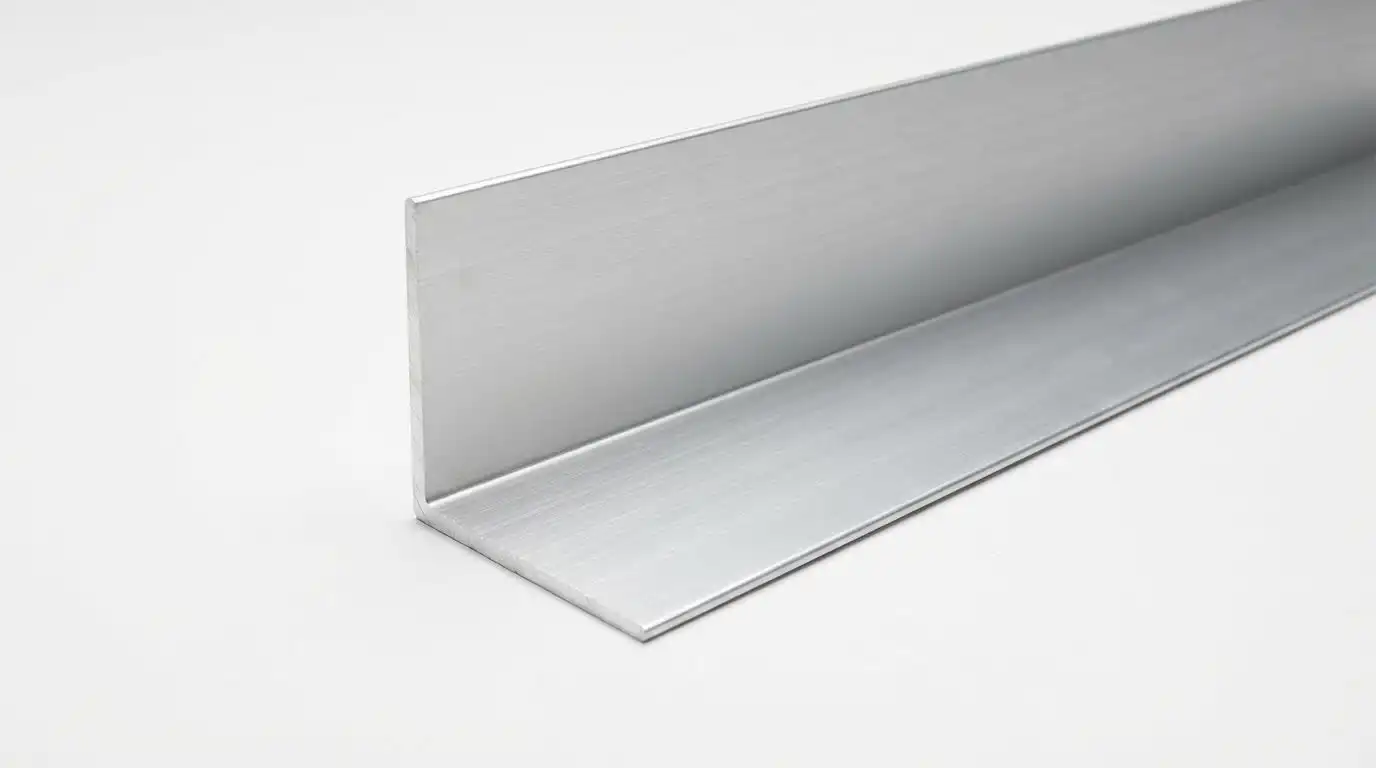
L-Profile (Angle)
Our aluminium angle (L-profile) extrusions are available in equal and unequal leg configurations from 10 × 10 mm up to 200 × 200 mm. Typical wall thickness ranges from 1.0 mm to 15 mm.
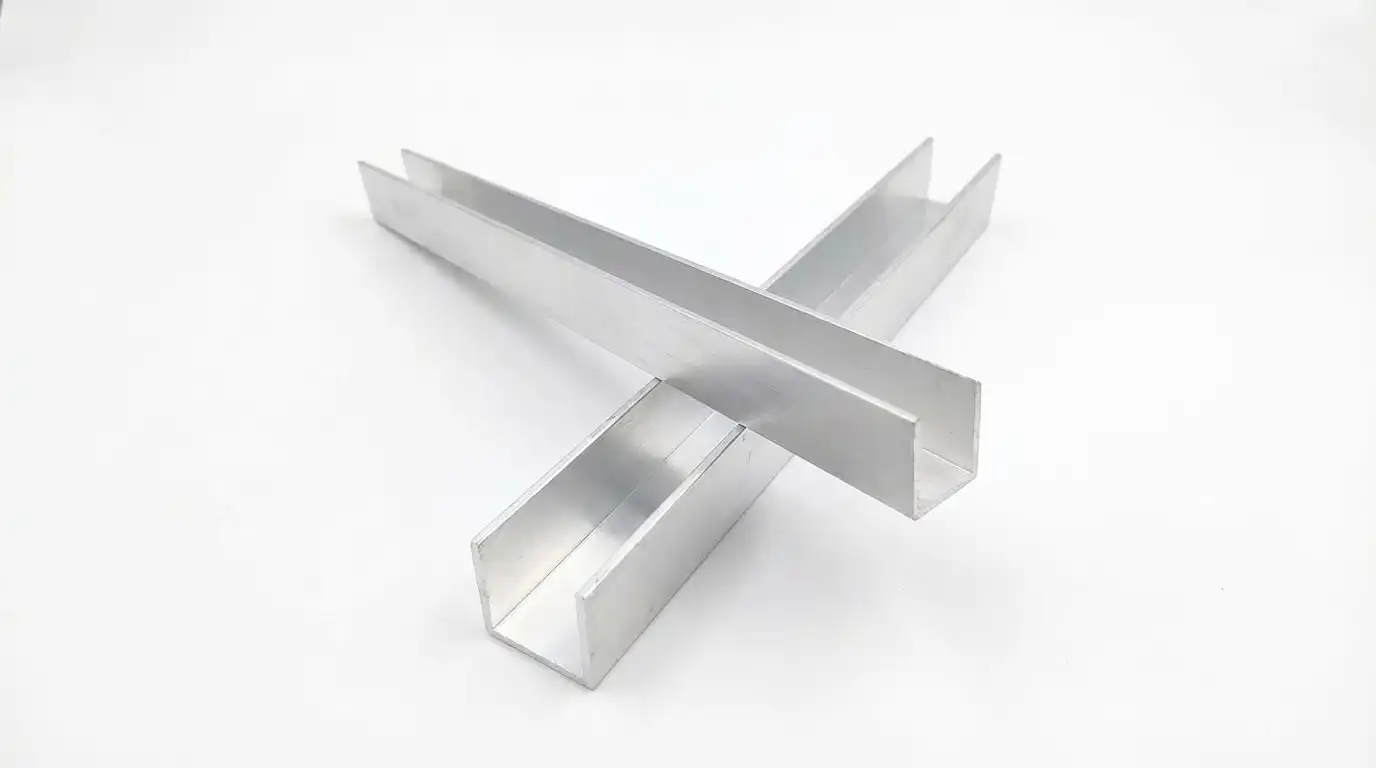
U-Channel
Aluminum U-channel profiles provide structural rigidity while guiding or enclosing components. Available in symmetrical and asymmetrical configurations, depths from 10 mm to 150 mm.
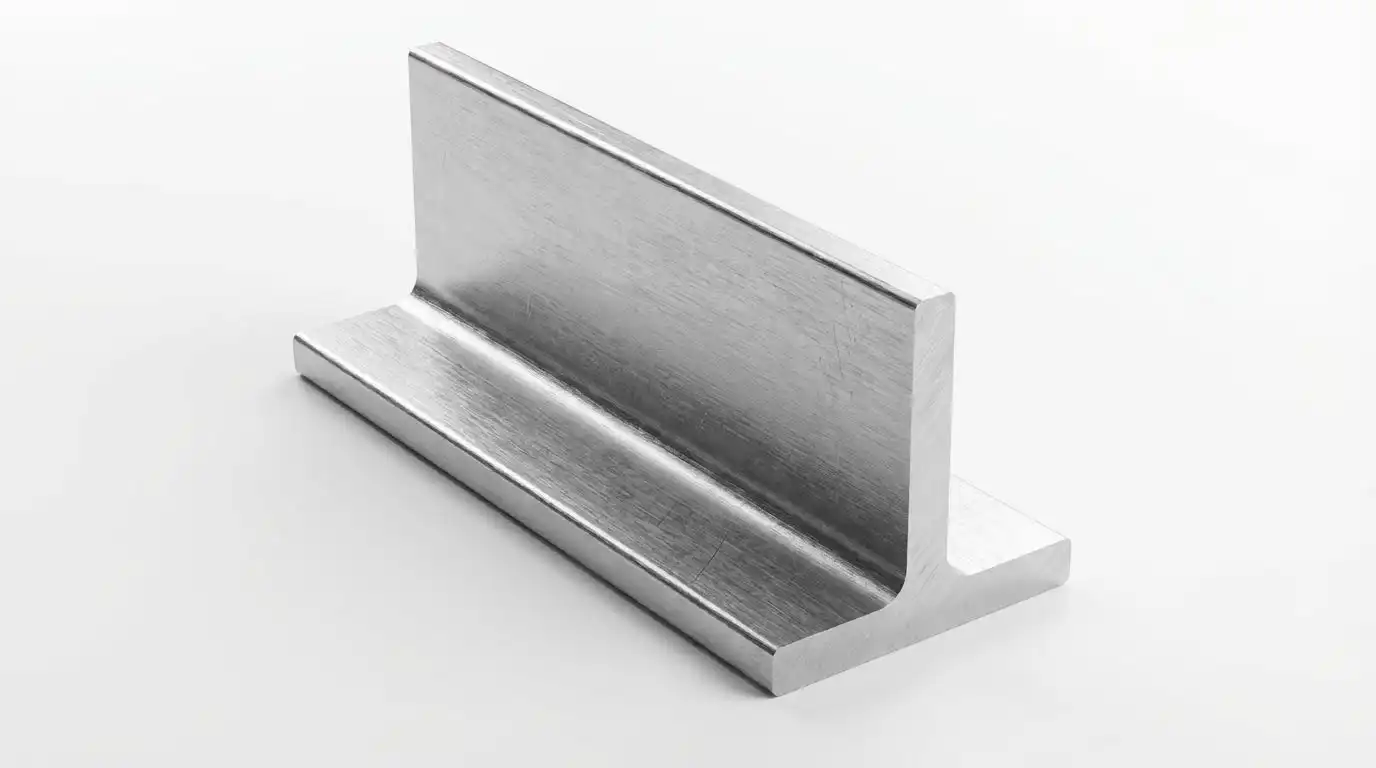
T-Profile (T-Bar)
T-bar extrusions deliver strong beam-like performance at low weight. Dimensions from 15 × 15 mm to 100 × 100 mm, wall thickness 1.5–10 mm.
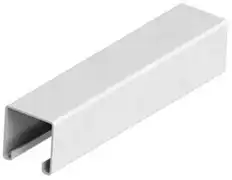
C-Profile (C-Channel)
C-channel profiles combine the containment benefit of U-channels with additional flange stiffness. Available with or without return lips.
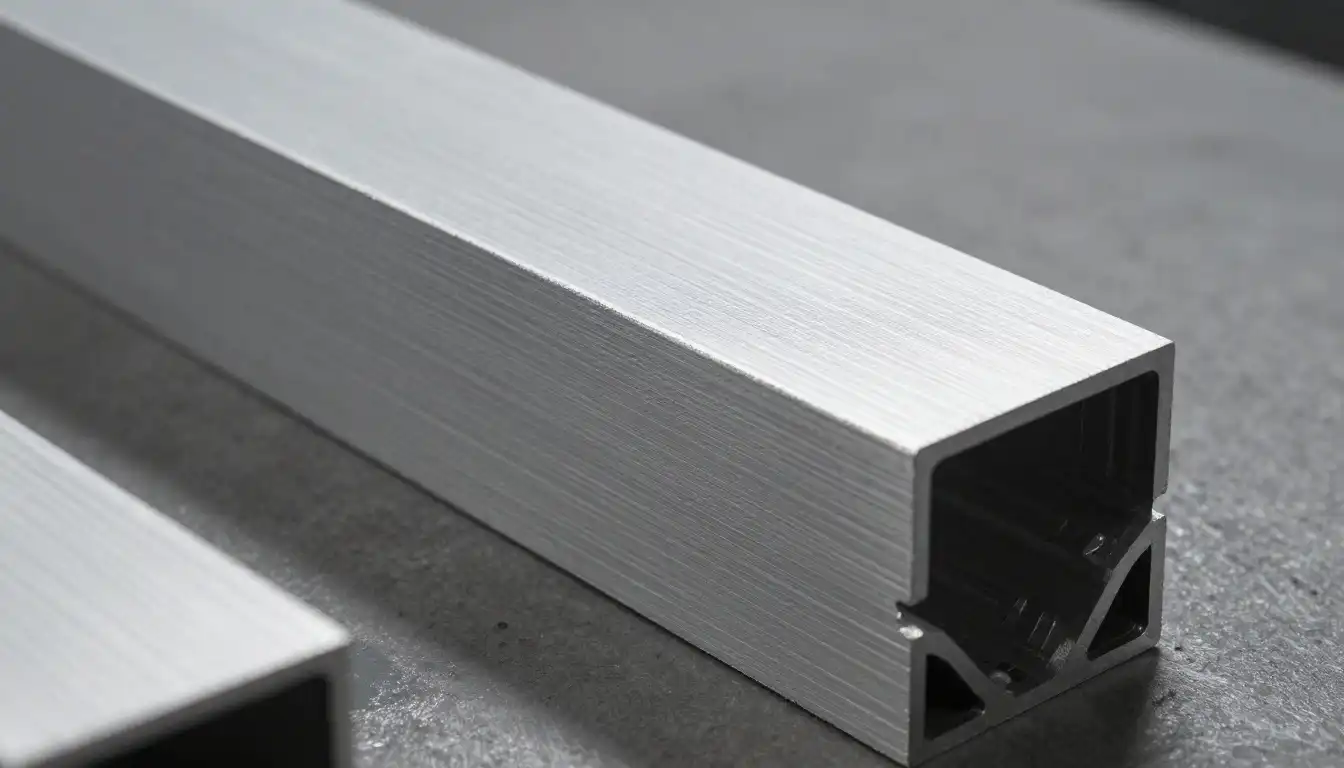
Box Section (Rectangular & Square)
Aluminium box section profiles offer excellent torsional rigidity. Square tubes from 15 × 15 mm to 200 × 200 mm; rectangular tubes to 200 × 100 mm. Wall thickness 1.0–10 mm.
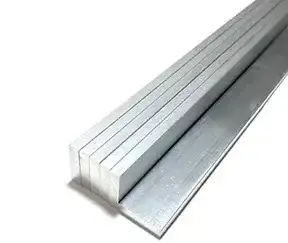
Flat Bar
Aluminum flat bar extrusions in widths from 10 mm to 200 mm and thicknesses from 2 mm to 30 mm. Suitable for machining into custom components.
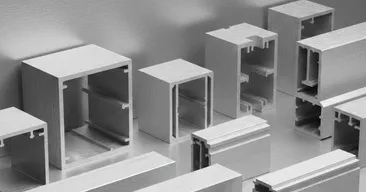
Custom & OEM Extrusion Profiles
Need a geometry that standard profiles cannot deliver? MetalFromTurkey partners with Turkish extrusion plants that design and manufacture custom dies for bespoke cross-sections — heatsinks, multi-void profiles, snap-fit assemblies, and more. Custom die lead time: 15–25 working days. Minimum run: typically 500 kg (die-dependent).
Aluminum Alloys for Extrusion Profiles
Choosing the right alloy determines mechanical performance, surface quality and service life.
Aluminum Alloys for Extrusion Profiles: Property, 6060, 6061 T6, 6063 T5, 7075 T6.
| Property | 6060 | 6061 T6 | 6063 T5 | 7075 T6 |
|---|---|---|---|---|
| Tensile Strength (MPa) | 150-190 | 290-310 | 185-215 | 510-570 |
| Yield Strength (MPa) | 100-150 | 240-270 | 145-175 | 430-480 |
| Elongation (%) | 12-16 | 8-12 | 8-12 | 5-8 |
| Corrosion Resistance | Excellent | Good | Excellent | Moderate |
| Weldability | Excellent | Good | Excellent | Poor |
| Anodize Quality | Good | Good | Excellent | Fair |
| Best For | Architectural | Structural | Decorative / Architectural | Aerospace / High-strength tooling |
Mechanical values per EN 755-2:2016. Actual properties depend on temper, section geometry and heat treatment.
6060 — Architectural Grade
6060 is a medium-strength alloy with excellent extrudability and corrosion resistance. It anodizes well and is a cost-effective choice for architectural profiles that do not carry heavy structural loads.
6061 T6 — High-Strength Structural
6061 T6 delivers tensile strength in the 290-310 MPa range, making it suitable for load-bearing extrusions in transport, machinery and structural applications. It machines cleanly and welds well with appropriate filler.
6063 — Precision Extrusion
6063 is widely extruded globally and valued for exceptional surface finish after anodizing with tight dimensional tolerances. It is common for window frames, curtain walls and display profiles.
7075 — Aerospace & High-Performance
7075 T6 reaches tensile strengths above 500 MPa and is used in aerospace structures, defense components and high-stress tooling. It is generally not preferred for welding and requires careful corrosion-management strategy in aggressive environments.
Alloy selection should always start from the service environment and loading conditions. For most architectural and general-purpose extrusions, 6063 offers the best balance of formability, finish and cost. Move to 6061 when structural certification demands higher yield strength.
Metallurgical engineering guidance, MetalFromTurkey Technical TeamTechnical Specifications
Technical Specifications: Parameter, Value.
| Parameter | Value |
|---|---|
| Alloy Grades | 6060, 6061, 6063, 6082, 7075 |
| Tempers | T4, T5, T6, T66 |
| Profile Length | 1,000-7,000 mm (custom lengths available) |
| Max Circle Size | Up to 350 mm |
| Wall Thickness | 0.8-25 mm |
| Tolerances | EN 755-9 (general profiles); EN 12020-2 (precision 6060/6063 profiles) |
| Standards Compliance | EN 755, EN 573, EN 12020 (6060/6063), ASTM B221 |
| Surface Finishes | Mill, anodized, powder coated, brushed, wood effect |
| MOQ | 1 ton (standard profiles) |
| Packaging | Interleaved, shrink-wrapped bundles; export-grade crating |
All profiles ship with EN 10204 3.1 mill test certificates confirming chemical composition and mechanical properties.
Dimensional tolerances follow EN 12020-2 for precision profiles and EN 755-9 for standard extrusions; this explicit tolerance reference is a practical technical differentiator in many B2B comparisons.
For North American projects requiring ASTM B221, dual-certified material can be supplied on request.
Surface Finish Options
The right surface treatment protects profiles against corrosion and delivers the required visual quality.
Mill Finish
As-extruded natural metallic surface, suitable for internal structural applications where appearance is not critical. Lowest-cost option.
Anodized Aluminium
Electrochemical oxide layer (typically 10-25 µm) that improves hardness, corrosion resistance and visual consistency. Colors include silver, bronze, champagne, black and gold. Process and quality control can be specified per EN 12373 test methods, with architectural classes commonly aligned to Qualanod (for example AA15/AA20). Quick keyword note: anodised aluminium.
Powder Coated Aluminium
Thermoset powder coating cured at 180-200 °C with any RAL color and smooth/matte/metallic textures. Typical coating thickness is 60-120 µm per Qualicoat standards.
Brushed Aluminium
Mechanical brushing creates a linear grain that hides fingerprints and fine scratches. Common for electronics housings, furniture trims and interior design profiles.
Wood Effect Finish
Sublimation-transfer finish reproducing timber grain visuals while retaining aluminum durability and low maintenance for windows, doors and pergola systems.
Industries & Applications
Construction & Architecture
Curtain walls, window and door frames, structural glazing, solar shading louvers, balustrade systems and modular partition framing.
Automotive & Transport
Chassis stiffeners, roof rails, crash-management structures, EV battery enclosures and trailer floor planks.
Marine & Offshore
Deck railings, pontoon structures, mast sections and hull stiffeners with corrosion-resistant alloys for salt-water environments.
Electronics & LED
Heatsink profiles, PCB enclosures, LED strip channels and server rails; aluminum conductivity supports heat dissipation.
Furniture & Display
Exhibition stand frames, office partitions, shelving systems and retail display units.
Industrial Automation
T-slot framing for machine guards, conveyor structures, linear-motion rails and robotic cell enclosures.

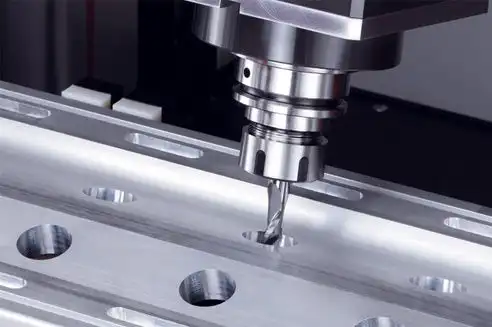
Aluminium Fabrication Services
MetalFromTurkey offers one-stop aluminium fabrication from raw extrusion to ready-to-install components.
Consolidating extrusion and fabrication in one supply chain reduces lead times and avoids secondary processing logistics.
Why Source Aluminum Profiles from Turkey?
Cost-Competitive Manufacturing
Turkey combines modern extrusion technology with competitive operating costs, often offering strong price-performance for EN 755-compliant supply. Final savings vary by alloy, temper, finish, order volume and Incoterms.
Strategic Location
Transit to major EU ports is typically 10-15 days, enabling faster replenishment compared to longer-haul Asian routes.
Certified Quality
Partner mills produce to EN 755, EN 12020 and EN 573 with ISO 9001 systems and complete EN 10204 3.1 documentation per shipment.
Full-Service Supply Chain
From alloy selection and die design to finishing, fabrication, packaging and FOB/CIF delivery, the full export workflow is managed under one channel.
Learn more: about MetalFromTurkey
SIMPLE 4-STEP PROCESS
Typical lead time is project-dependent, often 3-6 weeks based on die status and finishing.
Send Inquiry
Profile type, alloy, quantity, dimensions.
Receive Quote
Pricing, lead time, logistics — prompt response.
Production & QA
Production with in-process quality checks and EN 10204 3.1 test documents.
Delivery
FOB/CIF and other Incoterms by agreement, with export documentation.
Request Aluminum Profile Quote
Prompt Response
Share your profile specification and our team will send pricing, lead time and logistics options in one business day.
What Is Aluminum Extrusion?
Aluminum extrusion is a process where heated aluminum billet is forced through a shaped die under high pressure to produce continuous profiles with constant cross-sections.
Typical stages include billet preheating (about 450-500 °C), pressing through the die, cooling (air or water quench), then aging/tempering to reach target mechanical properties.
Post-extrusion operations include stretching, cutting, surface finishing and fabrication services.
Aluminum density around 2.7 g/cm³, high strength-to-weight performance and recyclability make it one of the most specified engineering materials globally, with annual extrusion demand measured in tens of millions of metric tons.
Compared with die casting, extrusion is preferred for high-volume parts with uniform cross-sections, while die casting is used for complex 3D geometries in discrete parts.
Common Questions
What are aluminum extrusion profiles used for?
Aluminum extrusion profiles are used in construction, automotive, marine, electronics, furniture and industrial automation. Their light weight, corrosion resistance and geometry flexibility make them one of the most versatile semi-finished metal products.
What is the difference between 6061 and 6063 aluminum?
6061 offers higher tensile strength for structural and load-bearing applications. 6063 provides superior surface finish and corrosion resistance, making it preferred for architectural and decorative extrusions.
What alloy is best for aluminum extrusion?
It depends on end use. 6063 is commonly selected for formability and anodizing quality, 6061 T6 for higher strength, 6060 for cost-efficient architectural use and 7075 for very high strength non-welded applications with planned corrosion protection.
What is the standard length of aluminum extrusion profiles?
Standard lengths are typically 6,000 mm to 6,100 mm. Custom lengths from 1,000 mm to 7,000 mm are available based on press capability and shipping conditions.
How to choose an aluminum extrusion profile supplier?
Check certifications (ISO 9001, EN 755), alloy and finish range, MOQ flexibility, lead time, fabrication capability, export documentation quality and commercial transparency.
What is the minimum order quantity for aluminum profiles?
Standard MOQ is 1 ton for regular profiles. Custom die projects may require higher initial quantities depending on die complexity and alloy selection.
What surface finishes are available for aluminum extrusions?
Common finishes include mill finish, anodized, powder coated, brushed and wood-effect options. Finish choice depends on corrosion exposure, appearance targets and durability requirements.
What is the difference between aluminum pipe and tube?
Pipe is specified by nominal bore and used for fluid transport. Tube is specified by outside diameter and wall thickness for structural/mechanical uses and tighter dimensional tolerance.